
 By joshua
 MAY DAY: INSECURITY, POVERTY THREATEN DECENT WORK IN NIGERIA, SAYS CHRCR BOSS
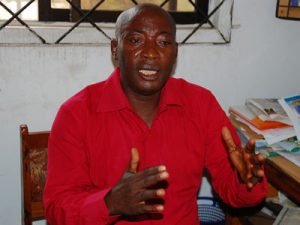
The Executive Director of Conscience for Human Rights Conflict Resolution (CHRCR), Idris Miliki Abdul, has warned that insecurity and poverty remain the biggest obstacles to decent work and sustainable democracy in Nigeria.
Speaking at the Kogi State Council of Organized Labour’s Pre-2026 International May Day ceremony in Lokoja on April 30, 2026, Miliki said millions of Nigerians enjoy civil and political rights only on paper, while poverty and lack of access deny them real benefits.
“You can have the right to vote and still be excluded by poverty; you can have freedom of expression and still be silenced by illiteracy; you can have the right to life and still be denied lifesaving healthcare because you cannot pay,” he said.
He described the situation as a “two-tier constitution” where socio-economic rights remain non-justiciable for the poor, creating a cycle of inequality, exclusion, and instability that directly fuels insecurity.
Miliki welcomed the Kogi State Government’s recent temporary closure of schools, markets, and motor parks in the western district as a proactive response to security threats. However, he condemned the recent invasion and abduction of children and staff at the Zango-Daji Orphanage Home.
He noted that while the Nigeria Police, military, and other federal security agencies are leading the current onslaught against insecurity in Kogi, most of their personnel are non-residents and often redeployed, with many unable to speak local languages. To bridge the gap, he recommended that the state government recruit and train at least 20 vigilantes per ward to complement federal security efforts and strengthen community resilience.
On violent extremism, Miliki attributed its rise to governance failure, corruption, inequality, and unemployment, which make citizens vulnerable to radicalization. He decried the lack of strategic coordination among federal, state, and local authorities, saying Nigeria’s response to extremism remains fragmented and uncoordinated.
On poverty, he said it is deeply rooted in unequal power relations and poor governance, with wealth concentrated in the hands of a minority while the majority remain impoverished. He stressed that poverty reduction must be tied to accountable governance, fiscal decentralization, and local empowerment.
Miliki urged the media to play a critical role in amplifying the voices of the poor and pushing for policy alternatives in synergy with civil society and organized labour. He listed key priorities for the poor as access to potable water, education, healthcare, rural roads, and agricultural inputs.
Concluding, he said security without welfare is brittle, while welfare without security is fragile, insisting that rights must move from “paper promises to living guarantees” for citizenship to be meaningful in Nigeria.