
 By joshua
 Concerns Grow Over the Effectiveness of Kogi State’s Free Education Policy as Parents Continue to Pay ‘Maintenance Fees’
7th August, 2026
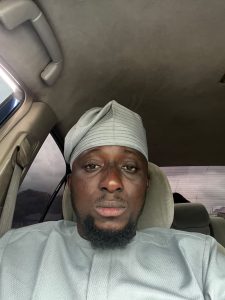
According to Comrade Olorunhudo Samuel Taiwo, a Political Advocate and Social Media Commentator/Strategist, the Kogi State Government’s free education policy has yet to achieve its full purpose because parents and guardians are still required to pay compulsory maintenance fees in public schools. He argued that the continued collection of such fees raises serious concerns about the practical implementation and effectiveness of the policy.
Taiwo noted that although the government has consistently maintained that education at the primary and secondary school levels is free, the reality experienced by many parents is quite different. He observed that students are often required to pay maintenance fees before they can fully participate in school activities, adding that in many schools the amount charged is almost equivalent to the former school fees.
According to him, replacing school fees with maintenance fees does not significantly reduce the financial burden on parents. Instead, it merely changes the name of the payment while families continue to bear nearly the same cost of sending their children to public schools.
He further explained that the essence of any free education policy is to eliminate financial barriers and provide every child with equal access to quality education. However, he maintained that where compulsory maintenance fees remain in place, many low-income families continue to struggle, thereby limiting the intended impact of the programme.
Taiwo expressed concern that numerous parents with multiple children in public schools still find it difficult to meet these financial obligations despite the government’s declaration of free education. He warned that such challenges could discourage school enrollment and increase the risk of some children being denied uninterrupted access to education.
He therefore called on the Kogi State Government and relevant education authorities to conduct a comprehensive review of the implementation of the free education policy. According to him, greater transparency is needed regarding the collection and utilization of maintenance fees, while measures should be put in place to ensure that no child is denied quality education because of financial constraints.
Taiwo further stated that if the Kogi State Government genuinely intends to sustain a free education policy, it should assume full responsibility for the maintenance of public schools and provide adequate funding for all the logistics, infrastructure, instructional materials, utilities, and operational needs required to keep schools running effectively and efficiently. He argued that the responsibility for maintaining public schools should rest primarily with the government rather than being transferred to parents through compulsory maintenance charges.
According to him, where students are still compelled to pay maintenance fees before accessing education, such payments become, in practical terms, no different from the school fees that the free education policy was intended to abolish. He maintained that changing the name of the payment without substantially reducing the financial burden on parents undermines the objectives of the policy and creates the perception that the declaration of free education has not translated into meaningful relief for ordinary citizens.
He emphasized that a truly impactful free education policy should remove all major financial barriers that prevent children from accessing public education. He urged the government to increase budgetary allocations to the education sector, strengthen accountability in school administration, and ensure that public schools receive adequate financial support to meet their operational needs without depending on compulsory contributions from students and parents.
According to Taiwo, the success of any free education programme should not be judged solely by policy announcements but by the actual experience of students and their families. He stressed that when parents continue to make compulsory payments that are nearly equal to previous school fees, many citizens will understandably question the practical impact and effectiveness of the government’s free education initiative.
He concluded by urging government officials, education stakeholders, school administrators, parents, community leaders, and civil society organizations to work collectively toward strengthening the implementation of the policy. He maintained that meaningful reforms, adequate government funding, transparency, and proper monitoring of public schools are essential to ensuring that every child in Kogi State enjoys the full benefits of accessible, affordable, and genuinely free education.
Signed:
Comr. Olorunhudo Samuel Taiwo
Political Advocate and Social Media Commentator/Strategist