
 By joshua
 African Innovation at Forefront: Nigerian Doctor Champions New Mental Health Model with Global Reach
March 25, 2025
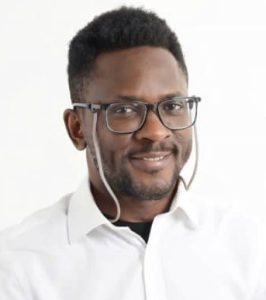
BIRMINGHAM — A powerful wave of African innovation is reshaping global mental health—and at the helm is Dr. Kennedy Oberhiri Obohwemu, a Nigerian-born medical doctor and academic whose groundbreaking work is positioning Africa as a thought leader in the future of emotional resilience and psychological science.
Now based in the United Kingdom, Dr. Obohwemu has developed the Self-Comforting and Coping Scale (SCCS)—the world’s first comprehensive and scientifically validated tool to measure self-comforting behaviours. These are the internal responses individuals use to regulate distress, such as mindfulness, self-talk, and emotional processing—often instinctive and deeply cultural in nature.
His accompanying Self-Comforting and Coping Theory (SCCT) introduces a fresh psychological framework that reflects not just how people cope—but how they thrive through adversity.
“This is innovation rooted in lived experience,” said Dr. Obohwemu. “It’s about giving scientific legitimacy to the ways people—especially in African and diaspora communities—have always managed stress, often without formal systems of support.”
Elevating African Thought Leadership
At a time when Africa is rising as a hub for science, health innovation, and human capital, Dr. Obohwemu’s work represents a powerful example of African intellectual excellence shaping global conversations.
Rather than adopting one-size-fits-all solutions from the Global North, this innovation builds from within—drawing on local strengths and cultural insights to propose globally relevant, locally grounded mental health tools.
The SCCS has been published in the Global Journal of Humanities and Social Sciences and is currently undergoing international validation through research trials (ISRCTN12254719). It identifies 13 self-comforting behaviours and offers an evidence-based model that can be adapted across educational, clinical, workplace, and community settings.
For African leaders, this is more than an academic tool—it’s a model of how homegrown innovation can guide health reform, shape national resilience strategies, and empower population wellbeing from the inside out.
A Call to Invest in Local Innovation
As Africa faces rising mental health challenges—from youth stress to trauma linked with conflict, displacement, and economic hardship—the SCCS arrives at a pivotal moment. It offers a way to understand and respond to emotional suffering using tools that respect cultural nuance and indigenous coping practices.
Leaders across the continent are increasingly recognizing the need to invest in mental health infrastructure, research, and education. Dr. Obohwemu’s innovation offers a scalable, research-backed tool that aligns with the African Union’s Agenda 2063 goals for human development and inclusive growth.
It also demonstrates that African excellence isn’t just reactive—it’s visionary. It anticipates future needs, reshapes dominant narratives, and produces tools that serve both African citizens and the world.
Building Africa’s Global Research Legacy
Dr. Obohwemu, who lectures in public health, psychology, and social care, is part of a growing network of African researchers pushing the boundaries of what the continent can contribute to science and society. His work represents the kind of knowledge production that global institutions are beginning to notice—and that African leaders must continue to champion.
“Mental health is not a Western luxury. It is a universal need,” he said. “And Africa has the capacity not only to meet that need, but to lead with wisdom, innovation, and vision.”
For African policymakers, educators, and health ministers, the SCCS offers a powerful opportunity: to implement culturally intelligent tools, fund African-led research, and amplify voices that reflect the continent’s diversity and resilience.
To learn more about the SCCS and ongoing research, visit www.TheScoreStudy.com or access the clinical trial listing at https://www.isrctn.com/ISRCTN12254719.
End