
 By joshua
 We need to build Nigeria as a More United, Progressive, Prosperous Nation – Ambassadorial Nominee
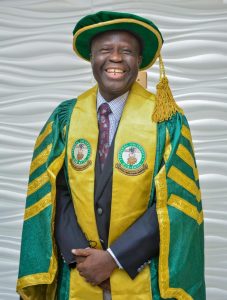
Professor Abayomi Sunday Fasina, former Vice-Chancellor of the Federal University Oye-Ekiti, Ekiti State. President Bola Tinubu recently submitted his nomination of Fasina as a non-career ambassadorial/high commissioner to the Senate for confirmation. In this interview with Ayo Ola; the Prof expresses appreciation to Tinubu for the nomination and addresses his vision and some of his priorities, if confirmed and posted.
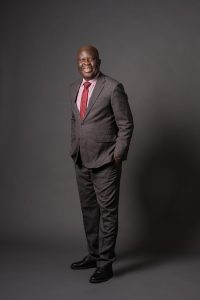
If your nomination is confirmed by the Senate and you are posted to a country, how will you project the image of Nigeria?
I will ensure that Nigeria’s image is projected with clarity and purpose. My approach will be to identify sectors where the host country holds a comparative advantage over Nigeria—whether in agriculture, aviation, trade, or technology—and explore avenues for collaboration. By studying their systems, I can facilitate technology transfer, attract investments, and forge partnerships that benefit Nigeria.
In whatever country I am posted, I will focus on unlocking potential that can be harnessed for Nigeria’s benefit. I will work with both public and private sectors to create wealth, encourage technology transfer, and facilitate partnerships that ease the way for our people. I will engage investors, host forums, and articulate clearly the areas where we seek intervention—agriculture, knowledge economy, technology, the economy, and beyond. These outcomes will be communicated directly to Mr. President, demonstrating that our partners are ready to work with us.
No doubt Nigeria needs investment. How will you convince investors to channel billions of dollars into the country?
We must begin with open and transparent dialogue. We will present Nigeria as a conducive environment for investment. For example, in agriculture, we will assure investors of land availability and address potential challenges proactively. By understanding their needs, we can revert to Mr. President with clear proposals and assure investors of federal support.
We will also conduct thorough surveys to identify the most suitable sectors and locations for specific investments. Our message will be clear: we will create a favourable environment, ensure security, offer tax waivers and other incentives, and guarantee the repatriation of profits. All we ask in return is sincerity and commitment.
While Nigeria needs investment, how do you ensure the country is not exploited?
Before entering into any agreement, we will conduct technical assessments of investor requirements and what they bring to the table. A Memorandum of Understanding will be signed, clearly outlining terms, conditions, and safeguards to prevent exploitation.
For instance, in the mining sector, we will insist that investors establish processing plants locally. If you are mining lithium, why not set up a factory to manufacture lithium batteries in Nigeria? This is standard practice globally. In some countries, sugarcane production is tied to ethanol factories that power local machinery and reduce reliance on petrol. We will adopt similar models, ensuring mutual benefit while protecting our national interests.
Our MoUs will be detailed, with clear terms of reference, operational guidelines, and conditions that prevent cheating and ensure fairness.
If Nigerian youths wish to migrate to your country of posting, how will you handle it?
I always advise young people: if you must travel abroad, do so with the intention of acquiring knowledge and skills to bring back home. We need to develop Nigeria.
Tourism is another area with immense potential. Nigeria is home to some of Africa’s most exciting tourist destinations. With proper development and training of local personnel, these sites can attract visitors from around the world, generating revenue for the nation and creating jobs for our people. I encourage our youth to think creatively, generate ideas, and build wealth for themselves and the nation.
Every country uses its resources to develop itself. We must do the same. We must build Nigeria into a nation that produces what it uses and uses what it produces, so that others come to us to boost our economy.
We must reorient our students and youth. For instance, Chinese students who go abroad for training—say, in Germany—return home upon completion. I witnessed this firsthand during my research work in Germany. Two students working with me returned to China the very day they submitted their PhD theses. When I asked why, they said it was normal practice: the knowledge acquired abroad must be used to develop one’s own country.
As a former Vice-Chancellor, how will you handle exchange programmes?
If confirmed, I will prioritise collaboration with educational institutions abroad, focusing on youth orientation and knowledge transfer. My embassy will actively engage business and investment communities, positioning Nigeria not just as a source of talent, but as a prime destination for Foreign Direct Investment, particularly in technology, agriculture, and renewable energy.
As a former Vice-Chancellor, I can work with the Committee of Vice-Chancellors and the National Universities Commission (NUC) to articulate educational and cultural agreements that foster institutional collaboration and exchange programmes.
We will pursue bilateral cooperation that leverages the host country’s expertise for Nigeria’s development. This will also open doors for joint research ventures and public-private partnerships. By encouraging foreign universities and corporations to establish research hubs in Nigeria, we can channel FDI into higher education, improve infrastructure, and create jobs.
Nigerian doctors are among the best in the world—my own son is a medical doctor, and I can attest to their global demand. However, gaps remain. Through skill gap analysis and international cooperation, we can close these gaps, improve our ease-of-doing-business rankings, and make Nigeria more attractive to investors.
My tenure will be dedicated to ensuring that the Embassy serves as a bridge for investments that industrialise Nigeria and create jobs for our youth.
How do you feel about your nomination?
I am deeply impressed and grateful to President Tinubu for the nomination. He believes in technocrats and has confidence in my ability to deliver. His recent appointment of Professor Ogundipe as NUC Chairman is further evidence of his commitment to merit.
Under this administration, we are not just trading goods; we are trading knowledge, innovation, and creating a robust ecosystem that actively courts Foreign Direct Investment to drive our national economy forward.
We must build Nigeria as a nation—develop it, produce what we use, and use what we produce. That is the vision I will carry with me.
kindly use two of his pictures
We need to building Nigeria as a More United, Progressive, Prosperous Nation – Ambassadorial Nominee
Professor Abayomi Sunday Fasina, former Vice-Chancellor of the Federal University Oye-Ekiti, Ekiti State. President Bola Tinubu recently submitted his nomination of Fasina as a non-career ambassadorial/high commissioner to the Senate for confirmation. In this interview with Ayo Ola; the Prof expresses appreciation to Tinubu for the nomination and addresses his vision and some of his priorities, if confirmed and posted.
If your nomination is confirmed by the Senate and you are posted to a country, how will you project the image of Nigeria?
I will ensure that Nigeria’s image is projected with clarity and purpose. My approach will be to identify sectors where the host country holds a comparative advantage over Nigeria—whether in agriculture, aviation, trade, or technology—and explore avenues for collaboration. By studying their systems, I can facilitate technology transfer, attract investments, and forge partnerships that benefit Nigeria.
In whatever country I am posted, I will focus on unlocking potential that can be harnessed for Nigeria’s benefit. I will work with both public and private sectors to create wealth, encourage technology transfer, and facilitate partnerships that ease the way for our people. I will engage investors, host forums, and articulate clearly the areas where we seek intervention—agriculture, knowledge economy, technology, the economy, and beyond. These outcomes will be communicated directly to Mr. President, demonstrating that our partners are ready to work with us.
No doubt Nigeria needs investment. How will you convince investors to channel billions of dollars into the country?
We must begin with open and transparent dialogue. We will present Nigeria as a conducive environment for investment. For example, in agriculture, we will assure investors of land availability and address potential challenges proactively. By understanding their needs, we can revert to Mr. President with clear proposals and assure investors of federal support.
We will also conduct thorough surveys to identify the most suitable sectors and locations for specific investments. Our message will be clear: we will create a favourable environment, ensure security, offer tax waivers and other incentives, and guarantee the repatriation of profits. All we ask in return is sincerity and commitment.
While Nigeria needs investment, how do you ensure the country is not exploited?
Before entering into any agreement, we will conduct technical assessments of investor requirements and what they bring to the table. A Memorandum of Understanding will be signed, clearly outlining terms, conditions, and safeguards to prevent exploitation.
For instance, in the mining sector, we will insist that investors establish processing plants locally. If you are mining lithium, why not set up a factory to manufacture lithium batteries in Nigeria? This is standard practice globally. In some countries, sugarcane production is tied to ethanol factories that power local machinery and reduce reliance on petrol. We will adopt similar models, ensuring mutual benefit while protecting our national interests.
Our MoUs will be detailed, with clear terms of reference, operational guidelines, and conditions that prevent cheating and ensure fairness.
If Nigerian youths wish to migrate to your country of posting, how will you handle it?
I always advise young people: if you must travel abroad, do so with the intention of acquiring knowledge and skills to bring back home. We need to develop Nigeria.
Tourism is another area with immense potential. Nigeria is home to some of Africa’s most exciting tourist destinations. With proper development and training of local personnel, these sites can attract visitors from around the world, generating revenue for the nation and creating jobs for our people. I encourage our youth to think creatively, generate ideas, and build wealth for themselves and the nation.
Every country uses its resources to develop itself. We must do the same. We must build Nigeria into a nation that produces what it uses and uses what it produces, so that others come to us to boost our economy.
We must reorient our students and youth. For instance, Chinese students who go abroad for training—say, in Germany—return home upon completion. I witnessed this firsthand during my research work in Germany. Two students working with me returned to China the very day they submitted their PhD theses. When I asked why, they said it was normal practice: the knowledge acquired abroad must be used to develop one’s own country.
As a former Vice-Chancellor, how will you handle exchange programmes?
If confirmed, I will prioritise collaboration with educational institutions abroad, focusing on youth orientation and knowledge transfer. My embassy will actively engage business and investment communities, positioning Nigeria not just as a source of talent, but as a prime destination for Foreign Direct Investment, particularly in technology, agriculture, and renewable energy.
As a former Vice-Chancellor, I can work with the Committee of Vice-Chancellors and the National Universities Commission (NUC) to articulate educational and cultural agreements that foster institutional collaboration and exchange programmes.
We will pursue bilateral cooperation that leverages the host country’s expertise for Nigeria’s development. This will also open doors for joint research ventures and public-private partnerships. By encouraging foreign universities and corporations to establish research hubs in Nigeria, we can channel FDI into higher education, improve infrastructure, and create jobs.
Nigerian doctors are among the best in the world—my own son is a medical doctor, and I can attest to their global demand. However, gaps remain. Through skill gap analysis and international cooperation, we can close these gaps, improve our ease-of-doing-business rankings, and make Nigeria more attractive to investors.
My tenure will be dedicated to ensuring that the Embassy serves as a bridge for investments that industrialise Nigeria and create jobs for our youth.
How do you feel about your nomination?
I am deeply impressed and grateful to President Tinubu for the nomination. He believes in technocrats and has confidence in my ability to deliver. His recent appointment of Professor Ogundipe as NUC Chairman is further evidence of his commitment to merit.
Under this administration, we are not just trading goods; we are trading knowledge, innovation, and creating a robust ecosystem that actively courts Foreign Direct Investment to drive our national economy forward.
We must build Nigeria as a nation—develop it, produce what we use, and use what we produce. That is the vision I will carry with me.