
 By joshua
 Mojeed to Journalists: Track Shell Companies, Follow Offshore Money to Expose IFFs
ABUJA, 25 June 2026
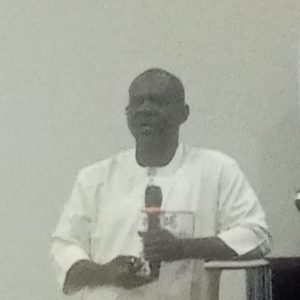
Editor-in-Chief of Premium Times, Mr. Musikilu Mojeed, has urged Nigerian journalists to dig into company records, track asset declarations, and follow offshore money trails to expose how Nigeria loses billions through Illicit Financial Flows, IFFs.
Mojeed made the call on Day 2 of a two-day workshop for 30 media practitioners organised by the Africa Network for Environment and Economic Justice, ANEEJ, with funding from the European Union under the SecFin Africa Project. The workshop, held 25th–26th June 2026 at Hawthorn Suites, Abuja, is themed “Strengthening the Capacity of CSOs and Journalists to Contribute to Addressing IFFs in Nigeria.”
ANEEJ said the workshop is designed to understand the current capacity gaps among journalists in investigating IFFs, document practical challenges they face in accessing financial data, and identify the types of tools, training, and institutional support needed to strengthen reporting. The organisation also aims to gauge how effectively journalists can use open-source data, CAC records, and cross-border collaborations to track illicit flows and hold institutions accountable.
Sharing case studies and experience from investigative reports on corruption and financial crimes, Mojeed said Nigeria’s development is stunted largely because “Nigeria is where we are because of illicit financing.”
He listed how public funds are stolen: tax evasion, money laundering, shell companies, bribery and outright theft, FX racketeering, dubious privatisation, and payments to phantom contractors. “Bribery often leaves evidence abroad. Journalists should follow cases in foreign courts,” he advised.
Mojeed urged journalists to always check Corporate Affairs Commission, CAC, records to verify if politicians are hiding ownership of companies. “Confirm the company is real by checking CAC records and conducting site visits. Large infrastructure projects are high risk for fraud, so budgets and contracts must be tracked closely,” he said.
He also called on reporters to investigate payment and acquisition deals, and pay close attention to annual reports and audit reports of government and corporate organisations. “Those documents often hide the red flags. Don’t ignore them,” he added.
Mojeed further noted that foreign court records often reveal hidden crimes linked to Nigeria. He asked journalists to build contacts across regions, continents, and globally, understand both local and international laws, and grasp how African monies are stolen. “Cultivate tax agencies and other institutions. You need networks to trace money,” he said.
He urged journalists to cultivate local and international NGOs and be always willing to ask for help. “You cannot do it alone. Partner with NGOs that have data, expertise, and protection capacity,” he said.
He also urged reporters to monitor websites of anti-corruption agencies around the world for leads, sanctions lists, and enforcement actions that can connect to Nigerian cases.
Mojeed further urged journalists to rely on cross-border digging, Freedom of Information, FOI, requests to the CAC, CBN, and QMCON. He advised collaboration with CSOs and global networks, as well as the use of investigative dashboards and leaks databases to trace hidden assets and transactions.
Mojeed noted that journalists face major obstacles including secrecy jurisdictions that block access to records, regulatory gaps in Nigeria, threats to journalists and whistleblowers, and limited technical data capacity. “These challenges exist, but persistence, collaboration, and smart use of open data can still yield results,” he said.
“Follow offshore money trails. Build yourselves up with information and earn the trust of people so they can share information with you,” Mojeed charged.
He concluded that thorough company checks and persistence in following financial trails are critical to holding the powerful accountable and reducing IFFs.