
 By joshua
 Karimi’s Footprints in Lokoja: Assessing the Senator’s Constituency Interventions
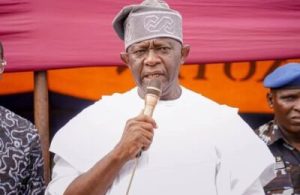
By Musa Tanimu Nasidi
For a senator representing an entire senatorial district, measuring performance goes beyond speeches, motions and appearances on the floor of the National Assembly. The real test of representation is often found in the communities—among students struggling to remain in school, households searching for potable water, communities yearning for electricity and young people looking for opportunities.
For Senator Steven Sunday Karimi, who represents Kogi West Senatorial District, the question of what his representation has brought to the people of Lokoja Local Government is therefore worth examining.
Lokoja occupies a unique position in Kogi West. It is not only one of the seven local government areas in the senatorial district but also the state capital and a major administrative, commercial and educational centre. Consequently, interventions targeted at the area carry significance beyond individual beneficiaries.
Investing in the Future Through Education
One of the most visible aspects of Karimi’s constituency agenda has been his emphasis on education and human-capital development.
His bursary initiative for students from Kogi West has provided financial assistance to students pursuing tertiary education. At a time when the cost of tuition, accommodation, transportation, books and other educational requirements continues to rise, such assistance can make the difference between a student remaining in school and dropping out.
For students from Lokoja Local Government, the intervention represents more than financial support. It is an investment in the human capital of the constituency.
The senator’s interest in education has also extended to the provision of Computer-Based Test infrastructure. The objective is to bring examination facilities closer to students and reduce the burden of travelling long distances to sit for examinations.
For a city such as Lokoja, which hosts a growing number of educational institutions, expanding access to CBT facilities is particularly relevant.
Water: Meeting a Basic Need
If education represents an investment in the future, access to water represents an immediate necessity.
Water supply remains a challenge in many Nigerian communities, and Lokoja is not immune. Senator Karimi’s reported constituency interventions in water, including solar-powered boreholes and rehabilitation of water facilities across Kogi West, are therefore significant.
Where such projects are located in communities within Lokoja Local Government, their value can be measured directly in the daily lives of residents—particularly women, children, farmers and low-income households who bear much of the burden when potable water is unavailable.
The sustainability of these projects, however, is just as important as their construction. Water facilities require maintenance, community ownership and regular monitoring if they are to continue serving their intended purpose.
Lighting Up Communities
Electricity remains another major concern for residents and businesses.
Karimi’s constituency interventions have included transformers and solar-powered streetlights in communities across Kogi West. Such projects may appear modest when compared with large infrastructure projects, but their impact can be considerable at the community level.
Reliable electricity helps small businesses operate, while public lighting can improve movement and security at night.
For Lokoja, a city whose population and commercial activities continue to expand, additional investment in electricity infrastructure remains necessary.
Beyond Projects: The Politics of Representation
A senator’s responsibility is not limited to attracting physical projects. Representation also involves advocacy.
Lokoja hosts several federal institutions, making federal appointments, employment opportunities and the distribution of government programmes important issues for residents.
Karimi’s position in the National Assembly gives him an opportunity to raise such concerns and lobby relevant federal agencies on behalf of constituents.
This dimension of representation may not always produce a physical structure that can be photographed, but it remains an important part of legislative responsibility.
Youths and the Question of Opportunity
Perhaps no constituency issue is more urgent than youth unemployment.
Lokoja has a large population of young people, including graduates, artisans, traders and students. For many of them, the biggest challenge is not a lack of ambition but a shortage of opportunities.
Karimi’s reported empowerment and employment-related interventions, including efforts to connect constituents with federal programmes and agencies, therefore deserve attention.
But this is also an area where more can be done. Empowerment programmes are most effective when they move beyond one-off distributions and provide beneficiaries with sustainable skills, capital, mentorship and access to markets.
Agriculture and Livelihoods
Agriculture remains an important part of the economic life of Kogi West, including communities around Lokoja.
Constituency interventions involving agricultural inputs and livelihood support can help farmers improve productivity and strengthen household incomes.
The bigger challenge is ensuring that agricultural assistance is sustained and linked to broader value chains, including processing, storage, transportation and access to markets.
Responding When Disaster Strikes
Lokoja’s geographical location also makes it vulnerable to flooding and other emergencies.
Support to victims of disasters and other emergencies is therefore an important part of responsive representation.
Such interventions may not necessarily attract the publicity associated with major infrastructure projects, but for a family that has lost property or livelihood, timely assistance can be invaluable.
The Unfinished Business
Any honest assessment of Karimi’s record in Lokoja must recognise both the achievements and the gaps.
The senator’s interventions in education, bursaries, water, electricity, empowerment, agriculture and emergency assistance provide a foundation on which more can be built.
But Lokoja still requires substantial intervention in roads, drainage, water supply, electricity, youth employment, educational infrastructure and urban development.
This is not necessarily an indictment of one senator. Many of these challenges fall within the responsibilities of the state and local governments, as well as federal agencies. Rather, it underscores the importance of collaboration among all levels of government.
The Need for a Verifiable Scorecard
There is also a need for greater documentation.
A comprehensive constituency scorecard should identify every project attributed to the senator, its exact location, cost, contractor, completion status and number of beneficiaries.
Such documentation would help residents distinguish between completed projects, ongoing projects and proposed interventions.
It would also make public assessment more objective and reduce the tendency for political supporters and opponents to rely solely on competing claims.
Conclusion
Senator Steven Sunday Karimi’s representation of Kogi West has produced interventions that touch on some of the fundamental needs of the people, with education and human-capital development standing out as important areas.
For Lokoja Local Government, however, the next phase should be about deepening the impact.
The city needs more than political representation; it needs visible development that responds to the everyday realities of its people.
Karimi has an opportunity to consolidate his record by attracting more projects directly to Lokoja, strengthening existing interventions and maintaining transparent records of constituency achievements.
Ultimately, the value of representation is not measured by the number of political statements made, but by the number of lives improved and communities transformed.
For the people of Lokoja, that remains the standard by which Senator Karimi’s footprints will ultimately be judged.Karimi’s Footprints in Lokoja: Assessing the Senator’s Constituency Interventions
By Musa Tanimu Nasidi
For a senator representing an entire senatorial district, measuring performance goes beyond speeches, motions and appearances on the floor of the National Assembly. The real test of representation is often found in the communities—among students struggling to remain in school, households searching for potable water, communities yearning for electricity and young people looking for opportunities.
For Senator Steven Sunday Karimi, who represents Kogi West Senatorial District, the question of what his representation has brought to the people of Lokoja Local Government is therefore worth examining.
Lokoja occupies a unique position in Kogi West. It is not only one of the seven local government areas in the senatorial district but also the state capital and a major administrative, commercial and educational centre. Consequently, interventions targeted at the area carry significance beyond individual beneficiaries.
Investing in the Future Through Education
One of the most visible aspects of Karimi’s constituency agenda has been his emphasis on education and human-capital development.
His bursary initiative for students from Kogi West has provided financial assistance to students pursuing tertiary education. At a time when the cost of tuition, accommodation, transportation, books and other educational requirements continues to rise, such assistance can make the difference between a student remaining in school and dropping out.
For students from Lokoja Local Government, the intervention represents more than financial support. It is an investment in the human capital of the constituency.
The senator’s interest in education has also extended to the provision of Computer-Based Test infrastructure. The objective is to bring examination facilities closer to students and reduce the burden of travelling long distances to sit for examinations.
For a city such as Lokoja, which hosts a growing number of educational institutions, expanding access to CBT facilities is particularly relevant.
Water: Meeting a Basic Need
If education represents an investment in the future, access to water represents an immediate necessity.
Water supply remains a challenge in many Nigerian communities, and Lokoja is not immune. Senator Karimi’s reported constituency interventions in water, including solar-powered boreholes and rehabilitation of water facilities across Kogi West, are therefore significant.
Where such projects are located in communities within Lokoja Local Government, their value can be measured directly in the daily lives of residents—particularly women, children, farmers and low-income households who bear much of the burden when potable water is unavailable.
The sustainability of these projects, however, is just as important as their construction. Water facilities require maintenance, community ownership and regular monitoring if they are to continue serving their intended purpose.
Lighting Up Communities
Electricity remains another major concern for residents and businesses.
Karimi’s constituency interventions have included transformers and solar-powered streetlights in communities across Kogi West. Such projects may appear modest when compared with large infrastructure projects, but their impact can be considerable at the community level.
Reliable electricity helps small businesses operate, while public lighting can improve movement and security at night.
For Lokoja, a city whose population and commercial activities continue to expand, additional investment in electricity infrastructure remains necessary.
Beyond Projects: The Politics of Representation
A senator’s responsibility is not limited to attracting physical projects. Representation also involves advocacy.
Lokoja hosts several federal institutions, making federal appointments, employment opportunities and the distribution of government programmes important issues for residents.
Karimi’s position in the National Assembly gives him an opportunity to raise such concerns and lobby relevant federal agencies on behalf of constituents.
This dimension of representation may not always produce a physical structure that can be photographed, but it remains an important part of legislative responsibility.
Youths and the Question of Opportunity
Perhaps no constituency issue is more urgent than youth unemployment.
Lokoja has a large population of young people, including graduates, artisans, traders and students. For many of them, the biggest challenge is not a lack of ambition but a shortage of opportunities.
Karimi’s reported empowerment and employment-related interventions, including efforts to connect constituents with federal programmes and agencies, therefore deserve attention.
But this is also an area where more can be done. Empowerment programmes are most effective when they move beyond one-off distributions and provide beneficiaries with sustainable skills, capital, mentorship and access to markets.
Agriculture and Livelihoods
Agriculture remains an important part of the economic life of Kogi West, including communities around Lokoja.
Constituency interventions involving agricultural inputs and livelihood support can help farmers improve productivity and strengthen household incomes.
The bigger challenge is ensuring that agricultural assistance is sustained and linked to broader value chains, including processing, storage, transportation and access to markets.
Responding When Disaster Strikes
Lokoja’s geographical location also makes it vulnerable to flooding and other emergencies.
Support to victims of disasters and other emergencies is therefore an important part of responsive representation.
Such interventions may not necessarily attract the publicity associated with major infrastructure projects, but for a family that has lost property or livelihood, timely assistance can be invaluable.
The Unfinished Business
Any honest assessment of Karimi’s record in Lokoja must recognise both the achievements and the gaps.
The senator’s interventions in education, bursaries, water, electricity, empowerment, agriculture and emergency assistance provide a foundation on which more can be built.
But Lokoja still requires substantial intervention in roads, drainage, water supply, electricity, youth employment, educational infrastructure and urban development.
This is not necessarily an indictment of one senator. Many of these challenges fall within the responsibilities of the state and local governments, as well as federal agencies. Rather, it underscores the importance of collaboration among all levels of government.
The Need for a Verifiable Scorecard
There is also a need for greater documentation.
A comprehensive constituency scorecard should identify every project attributed to the senator, its exact location, cost, contractor, completion status and number of beneficiaries.
Such documentation would help residents distinguish between completed projects, ongoing projects and proposed interventions.
It would also make public assessment more objective and reduce the tendency for political supporters and opponents to rely solely on competing claims.
Conclusion
Senator Steven Sunday Karimi’s representation of Kogi West has produced interventions that touch on some of the fundamental needs of the people, with education and human-capital development standing out as important areas.
For Lokoja Local Government, however, the next phase should be about deepening the impact.
The city needs more than political representation; it needs visible development that responds to the everyday realities of its people.
Karimi has an opportunity to consolidate his record by attracting more projects directly to Lokoja, strengthening existing interventions and maintaining transparent records of constituency achievements.
Ultimately, the value of representation is not measured by the number of political statements made, but by the number of lives improved and communities transformed.
For the people of Lokoja, that remains the standard by which Senator Karimi’s footprints will ultimately be judged.