
 By joshua
 EKINRIN, ADDE TAKES HER PEOPLE BACK TO THE KITCHEN OF YESTERYEAR
By Pastor Stanley Ajileye
Monday, June 22, 2026, was not just another day in Ekinrin, Adde. It was a day when history was served hot, nostalgia was garnished generously, and forgotten delicacies staged a triumphant return from exile.
The venue was packed with sons and daughters of Ekinrin, Adde, all drawn together by a culinary event that proved one thing: our ancestors were not only farmers and hunters, they were master chefs.
As the various dishes and snacks appeared on display, one could almost hear the voices of our forefathers whispering, “You people abandoned all these good things for noodles and shawarma?”
The expressions on many faces told a fascinating story. Those in their fifties and above wore the look of people who had just reunited with childhood friends they had not seen in decades. The sight and aroma of the old cuisines transported them back to moonlight nights, village compounds, and kitchens powered by firewood rather than electricity.
For the younger generation, however, the event was something between a cultural lesson and an archaeological expedition.
When names like Paa, pa, Popolo, and Akurugbu were mentioned, many young people looked around as if somebody was calling the names of newly discovered planets.
“Popolo?” one young attendee appeared to ask silently. “Is that a food or a footballer?”
The confusion deepened with Ekuru, which some younger guests struggled to recognize, despite being close cousins to the more familiar Olele, Akaragbado, and Ori, Ehe.
The soups created even greater excitement. There stood the legendary Órā, Koto, Yóyó, Akuku, Odere, Obe Ogun, and Isapa, names that sounded to some youths like characters from an ancient Yoruba epic.
Yet these were the very dishes that nourished generations of men and women who farmed from sunrise to sunset, trekked long distances, enjoyed remarkable longevity, and somehow survived without vitamin supplements advertised on television.
Not every culinary hero made it to the reunion. Some dishes were absent due to shortage of time, ingredients, or experts capable of recreating them. Their absence was noticed and loudly lamented.
One major casualty was the traditional stew usually paired with Ekuru.
The Culinary Director, Aunty Gloria Remilekun Aiyedogbon, could not hide her disappointment.
“Ekuru should have come with Tepo, Tabete,” she lamented.
Instead, tomato stew appeared on the menu, a respectable substitute but, according to the purists, a modern intruder.
Tepo, Tabete, for the uninitiated, is a special stew prepared from distilled ash water, believed to contain potassium, calcium, and magnesium.
At that point, many of us began wondering how our forefathers stumbled upon such scientific nutritional discoveries without laboratories, internet access, or WhatsApp health groups. Somehow, they knew things.
The traditional rulers present were visibly delighted by the culinary resurrection.
Leading the charge was High Chief Felix Ikumapayi who, alongside other High Chiefs, passionately urged the chefs and custodians of culture not to allow these treasured foods to disappear again. According to them, these delicacies belong not merely in memory but back in our homes and markets.
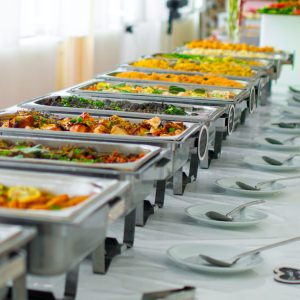
The feast itself was spectacular.
Guests sampled varieties including Iyan with Egunshi, or Efo; Elubo with Koto, Yóyó or Akuku, Semo with Apon, and many other mouthwatering combinations.
But while others explored the full menu like culinary researchers, a few of us had already settled our priorities.
My friend Mike Mejabi, Prophet Adegoke, and I maintained unwavering loyalty to our old companions, Paa, pa, Popolo, and Akurugbu. We cannot but say a big Thank-you to His Excellency National President of Ekinrin-Adde Development Association, Elder Deinde Komolafe and his Executive team for making this possible
While others chased soups and swallows, we concentrated on the snacks with the seriousness of men carrying out a sacred ancestral assignment.
One after another, the delicacies disappeared from our plates at a speed that would have made our grandmothers proud.
By the end of the event, stomachs were full, memories had been revived, and an important lesson had been learned: some treasures are too valuable to be forgotten.
Indeed, Ekinrin, Adde did more than organize a food exhibition. She reopened a chapter of history, reminded us of who we are, and proved that the road to cultural revival may very well pass through the kitchen.
And if anyone is still wondering whether Paa, pa, Popolo, and Akurugbu deserve a place in the national heritage register, Mike, Prophet Adegoke, and I are available to provide expert testimony.