
 By joshua
 2027 AND THE MORAL BALANCE IN KOGI STATE’S POLITICAL EVOLUTION.
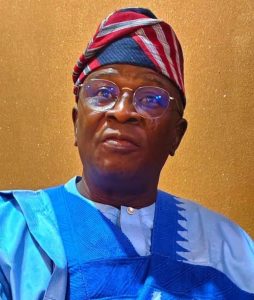
By Musa Bakare
In societies that cherish peace, the question of fairness inevitably arises. This is particularly pertinent in a diverse state like Kogi, which comprises three senatorial districts, Kogi East (Majority Igala), Kogi Central (Majority Ebira), and Kogi West (Majority Okun Yoruba), and embodies multiple cultural identities. The dialogue surrounding governorship rotation transcends mere political discourse; it is rooted in moral, historical, and deeply human considerations.
Since its creation in 1991, Kogi State has exemplified the duality of diversity: showcasing both its inherent beauty and the challenges it brings. The state’s structure was designed to ensure a shared destiny among its diverse communities. However, the pattern of leadership has often demonstrated a lack of equitable participation, leading to marginalized voices at the highest echelons of governance.
Fair leadership embodies more than just entitlement; it epitomizes belonging. A scenario where one group consistently maintains leadership while others remain excluded not only skews power dynamics but raises questions of trust and collective identity. When political representation is fairly allocated, it fosters a psychological affirmation that every community’s presence is valued and recognized within the framework of statehood.
The informal principle of power rotation arose to prevent alienation and to cultivate inclusiveness. This mechanism was not merely a logistical measure but a necessary strategy to uphold balance in a state whose unity hinges upon harmonious cooperation among its diverse constituencies.
Fairness is a fundamental aspect of justice, and it is the key to fostering peace. It highlights the reality that sustainable development emerges when citizens see representations of themselves in leadership roles. In Kogi, fairness serves as an invisible but essential infrastructure of stability. When leadership transitions across senatorial districts, it cultivates a sense of shared responsibility among citizens, enabling them to view the state as a collective entity rather than a segregated one.
Detractors of power rotation often claim it compromises merit, reducing governance to a mere cycle of turn taking. However, fairness and competence need not stand in opposition. A society that prioritizes inclusion does not reject meritocracy; rather, it expands its definition to encompass leadership traits that foster unity and transcend ethnic or sectional divides. True merit in a diverse society is characterized by emotional intelligence, empathy, and a commitment to serve all citizens.
For a society to flourish, it must strike a balance between excellence and equity, seeking competent leaders from every Senatorial District while treating leadership as a collaborative effort rather than an exclusive possession.
Kogi State’s political evolution reflects a broader discourse within Nigeria on how to navigate diversity without compromising unity. Power rotation, whether implemented at the state or national level, is an imperfect but pragmatic strategy. It alleviates fears, reinforces trust, and underscores that democracy encompasses not only numerical representation but also fairness in governance.
The trajectory of Kogi’s political maturity will hinge on its adherence to the principle of fairness, not as a mere political negotiation, but as a foundational social covenant. The future stability of Kogi rests on mutual recognition, with an understanding that every community holds significance.
Ultimately, fairness is the heart of representation; it reshapes political geography into a moral one, where justice is evaluated not by supremacy but by inclusivity.
When every group can assert, We are part of the state and We have been entrusted, then the state achieves what constitutions alone cannot assure, unity rooted in morality, respect and dignity.
Kogi does not require a framework of winners and losers; it demands collaboration in pursuit of progress. Fairness, consistent, intentional, and genuine rotation arrangement remains the most reliable path toward that aspiration.
Musa Asiru Bakare Political Analyst; writes from Lokoja, Kogi State
November 11, 2025