
 By joshua
 Íbà Àjí: Where Floods Steal Lives and Hope
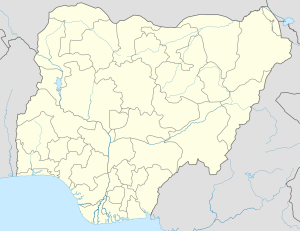
On an official trip to Ibaji, a local government in Kogi State tucked by the banks of the River Niger, what I saw has stayed with me. The people weren’t asking for luxuries, or even for grand projects. Their kings and community leaders kept repeating one thing: when it rains and the floods rise, we lose lives.
Ibaji has a population of about 128,000 people. Most are farmers, fishermen, and traders.
The land is fertile, the river is rich, and the community has always had enough to sustain itself. But every rainy season, the blessings of the river turn into a curse. Boats capsize. Villages go under water. Families are displaced. And what hurts most is not only the material loss but the silence that follows.
Health is another layer of the problem.
There are barely any functioning hospitals in Ibaji. When a boat capsizes, survivors who make it to land often have no proper medical care. Malaria, cholera, and other waterborne diseases spread faster during the floods. Women give birth in unsafe conditions. The very basics of healthcare that should exist for 128,000 citizens of this country are missing.
Even reaching nearby Idah, which should ordinarily serve as a link for trade, medical care, or basic supplies, becomes another struggle once the floods rise. What should be a lifeline for Ibaji people turns into a risky, exhausting journey that sometimes costs lives.
This is not just about Ibaji. It is one example of many. From Bassa’s flood-prone settlements to other riverine areas in Kogi, the story is painfully familiar.
Communities cut off by water.
Families mourning lives lost to preventable accidents. Farmers losing entire harvests because there’s no plan for flood control or emergency support.
History tells us how deep the pain runs. During one of the great floods in the past, Ibaji families were displaced in ways that reshaped their destiny. Many men ended up as security guards across the state, while children were sent to homes as house boys and girls.
That pattern still lingers today, with Ibaji sons and daughters scattered far from the land they should have been able to thrive on.
Yet, the truth is that Ibaji and these other riverine areas are not marginal to Kogi’s future—they are central.
If the agricultural potential of these regions is taken seriously, it could generate real revenue for both the state and the people. Cassava, rice, and fish farming thrive in the soil and water there. With flood-control measures, storage facilities, and better roads, Kogi could turn its riverine disadvantage into an economic advantage. Instead, every year, lives and livelihoods are washed away.
There are workable solutions. Flood embankments and dredging of key waterways. Provision of modern life jackets and safer boats. Mobile clinics during the rainy season. Functional hospitals within reachable distance. Early warning systems to alert communities when water levels rise.
These are not impossible. They require planning, political will, and a sense of urgency.
To be fair, no government can fix everything at once. But the loss of lives in Ibaji and other riverine areas should move up the priority list. A state that prides itself on caring for its people cannot afford to let whole communities remain at the mercy of the rains.
The boat mishap that happened recently in Ibaji is not an isolated case. It is one of many. If we continue to treat each tragedy as an accident rather than a symptom of neglect, then more names will be added to the list of those lost to the floods.
I left Ibaji with a heavy heart, but also with hope. Hope that one day, the government will remember these people knowing that every citizen counts, and by insisting on workable solutions, we can begin to change the reality of riverine communities.
Government must rise to the challenge, but so must development partners, NGOs, and even private investors who see the potential in agriculture and human capital here.
The people of Ibaji don’t need pity—they need opportunities, infrastructure, and support to live with dignity and to contribute fully to the growth of Kogi State and Nigeria at large.
Aikoye Praise Ofili