
 By joshua
 2027: THE INCREASED FISCAL CAPACITY FOR STATES – A DEFINING DECISION IN ECONOMIC REFORM
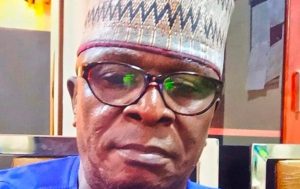
By Musa Bakare
The greatness of a leader is measured not merely by the speeches he delivers or the applause he receives, but by the institutions he strengthens, the opportunities he creates, and the enduring legacy he leaves behind.
Nations rise not because they are free from hardship, but because they possess leaders with the courage to make difficult decisions for a better tomorrow.
Nigeria reached a decisive moment in 2023. President Bola Ahmed Tinubu chose the difficult path of reform over the easy path of postponing problems.
That decision continues to shape the country’s fiscal landscape.
One of the most significant outcomes of these reforms has been the remarkable increase in the fiscal capacity of state governments.
For decades, many states struggled to meet basic obligations. Salaries were delayed, pensioners suffered, infrastructure deteriorated, and governments depended almost entirely on federal allocations that were often insufficient to meet growing demands.
Fiscal federalism can function only when subnational governments have the resources to discharge their constitutional responsibilities.
A federation in which states lack the means to provide education, healthcare, roads, security support, and social services is a federation whose development is constrained.
President Tinubu’s economic reforms, including the removal of the petrol subsidy, exchange rate adjustments and efforts to strengthen public revenue have significantly increased revenues available to the Federation Account.
As a result, many states have received far higher allocations than in previous years, expanding their capacity to fund development priorities.
This shift was intended to give governors greater fiscal space to replicate what President Tinubu is doing at the center: undertake capital projects, improve workers’ welfare, invest in schools and hospitals, expand rural infrastructure, and strengthen social intervention programmes.
While outcomes vary from state to state depending on governance and local priorities, the broader increase in available resources has altered the financial landscape for many state governments.
Leadership should be judged not only by immediate popularity but by whether it lays a stronger foundation for future generations.
Leaders who confront entrenched structural problems often face criticism before their reforms yield broader benefits.
Sustainable development frequently requires difficult choices whose full impact becomes clearer over time.
An increase in state revenues also brings greater responsibility. More resources should translate into more transparency, prudent financial management, and measurable improvements in citizens’ lives.
The success of fiscal reforms ultimately depends not only on increased allocations but also on how effectively state and local governments utilize those funds.
This is why the conversation ahead of 2027 should extend beyond political slogans.
Nigerians are entitled to interrogate: How have states used the additional fiscal space available to them?
Which investments have improved infrastructure, education, healthcare, agriculture, and economic opportunities?
These are questions that strengthen democratic accountability.
The reforms of President Tinubu are laying the groundwork for a more resilient economy and a stronger federation.
The 2027 election will therefore present Nigerians with an opportunity to assess competing visions for the country’s future.
It will be a contest not only of personalities but of ideas, records, and proposed solutions.
Democracy entrusts citizens with the responsibility of evaluating both achievements and remaining challenges.
As Nigerians prepare for another electoral cycle, the question before the nation is not simply who seeks office, but whose policies they believe are best positioned to advance economic stability, strengthen public finances, and support long term national development.
Musa Asiru Bakare,
Foundational member of APC | Political Analyst
Writes from Lokoja, Kogi State
July 28, 2026