
 By joshua
 UNICEF seeks ethical reporting of children
By Stephen Adeleye
Port Harcourt, Aug. 19, 2026
The United Nations Children’s Fund (UNICEF) has urged journalists to protect children’s identities and prioritise solutions in reporting issues affecting them.
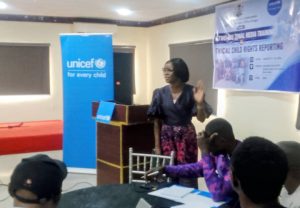
UNICEF Child Rights experts made the call on Wednesday in Port Harcourt during a two-day training on ethical reporting of children.
The zonal workshop brought together editors, correspondents and media practitioners from print and broadcast organisations across nine states.
The training aimed to align media reporting with Nigeria’s legal obligations and the realities confronting children across the country.
The experts warned that irresponsible coverage could expose children to stigmatisation, trauma and other long-term psychological and social consequences.
In her keynote address, UNICEF Nigeria Communications Specialist, Ms Sussan Akila, urged journalists to prioritise children’s dignity and safety.
Akila particularly emphasised careful reporting of cases involving child abuse, molestation and other forms of violence against children.
“Reports should be presented in a manner that justice can be done,” she said.
Akila warned that stigmatisation could worsen children’s vulnerability and potentially push affected children towards criminal activities.
“A stigmatised child feels he has nothing to lose and, therefore, has a greater propensity to become an armed robber, bandit, or engage in other forms of criminality,” she said.
Dr Geoffrey Njoku, a Media Consultant, highlighted provisions of the United Nations Convention on the Rights of the Child and Nigeria’s Child Rights Act, 2003.
Njoku said the law recognises every person below 18 as a child and requires that the best interests of children remain paramount.
He said legislation also prohibits the use of children in armed conflicts and their exposure to drugs, pornography and degrading treatment.
Dr Jide Johnson of the Nigerian Institute of Journalism presented figures from the 2022 Child Labour Survey, highlighting the scale of child vulnerability.
Johnson said 50.5 per cent of children were engaged in economic activity, while 39.2 per cent were involved in child labour.
He added that 22.9 per cent of children were engaged in hazardous work, while nearly one in two children lived in income poverty.
Johnson further said newborn mortality stood at 41 deaths per 1,000 live births, underscoring continuing challenges affecting child survival.
Speaking on balancing public interest with child protection, Mr Lanre Idowu, rights activist, outlined children’s rights to survival, development, protection and participation.
Idowu also stressed the importance of quality, inclusive and child-friendly education in promoting children’s development and wellbeing.
The speakers urged journalists to avoid identifying child victims, while obtaining appropriate parental consent and children’s assent where required.
They advised journalists to anonymise identifying details and focus on systemic problems rather than producing pity-driven stories.
The experts said ethical reporting should protect vulnerable children while ensuring that serious issues remain visible to the public.
They noted that insecurity, poverty and stigma continue to expose Nigerian children to significant risks.
The speakers stressed that the media could either compound children’s burdens or help protect them and hold institutions accountable.
They therefore urged journalists to adopt responsible, child-sensitive reporting that promotes justice, dignity, protection and practical solutions. (NAN) (www.nannews.ng)
==========