
 By joshua
 Tinubu’s Government Has Failed Nigerians, Not Saved Nigeria
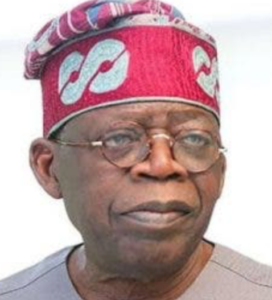
By Christopher Sunday
Every May 29th occupies a significant place in Nigeria’s political history. It is a symbolic day that reminds Nigerians of the return to democratic governance after years of military dictatorship. Democracy Day is expected to be a moment of reflection, a time to assess whether governance is truly serving the people, protecting their welfare, strengthening institutions, and improving national development.
In every functional democracy, leadership is measured not by propaganda, political speeches, or media praise, but by the living conditions of the people. Democracy must translate into economic relief, security, justice, infrastructure, opportunities, and hope for ordinary citizens. When the people are hungry, unsafe, unemployed, and frustrated, then democracy itself begins to lose meaning in their eyes.
As Nigeria marks another May 29th under the administration of President Bola Ahmed Tinubu, many Nigerians are not celebrating with enthusiasm but struggling with deep economic hardship, rising insecurity, and growing hopelessness. Rather than serving as a season of national pride, this Democracy Day has become a painful reminder of the widening gap between government rhetoric and the realities facing ordinary Nigerians.
It is against this background that the recent article by Bayo Onanuga titled “Bola Tinubu: The Man Who Took the Bullet for Nigeria to Survive” must be critically examined. The article attempts to portray the Tinubu administration as a government of sacrifice and reform. However, the daily experiences of millions of Nigerians tell a completely different story.
The true measure of any government is not the applause of international financial institutions or manipulated economic statistics. The true measure of governance is the condition of the people. Are Nigerians safer? Are they feeding better? Are businesses thriving? Are workers living comfortably? Are students hopeful? The honest answer is NO.
President Bola Ahmed Tinubu did not “take bullets” for Nigerians. Nigerians themselves have absorbed the bullets of his harsh economic policies.
The removal of fuel subsidy without adequate preparation triggered one of the worst economic crises in modern Nigerian history. Transportation costs skyrocketed overnight. Food prices became unbearable. Inflation moved from being an economic concern to a national tragedy. Families who once survived on modest incomes now struggle to afford one meal a day. Millions of Nigerians have been pushed deeper into poverty under this administration.
The government claims states now receive more allocations. But where is the evidence in the lives of ordinary people? Increased FAAC allocations have not translated into reduced suffering. Instead, the average Nigerian faces worsening economic hardship despite all the celebrated “reforms.” Economic growth that does not improve the quality of human life is meaningless.
The Tinubu administration also celebrates the floating of the naira as if it were a badge of honour. But what has been the practical outcome? The naira collapsed. Businesses dependent on imports folded up. Manufacturers faced unbearable production costs. Foreign exchange instability destroyed confidence in the economy. Investors do not invest in chaos; they invest in stability.
Onanuga speaks of stock market growth as proof of economic success. But stock market figures do not feed hungry citizens in Ajegunle, Kano, Lokoja, Maiduguri, or Aba. Economic policies must be judged by their human impact, not elite financial indicators that benefit a privileged few.
The claim that there is “no empirical evidence” that Nigerians are hungry is perhaps the most insulting part of the article. Nigerians do not need statistics to know they are suffering. Market prices speak louder than propaganda. A bag of rice, transportation fares, electricity tariffs, school fees, rent, and cooking gas prices are the real indicators Nigerians confront daily.
Security has also deteriorated under this administration. Kidnapping, banditry, killings, and insecurity continue across many parts of the country. Farmers are afraid to return to their farms. Communities are attacked repeatedly. Citizens pay ransom to criminals while government officials deliver speeches about progress.
The administration cannot continue blaming previous governments after three years in office. Leadership demands responsibility, not endless excuses. If every hardship today is inherited, then what exactly has this government improved?
Road projects and infrastructure announcements cannot substitute for economic stability and human welfare. Nigerians are not asking for media headlines or ceremonial commissioning of projects. They are asking for affordable food, stable electricity, quality healthcare, jobs, security, and hope.
The tragedy of this administration is that it appears disconnected from the daily realities of ordinary citizens. Government officials speak triumphantly while the people groan in pain. This widening gap between political elites and suffering Nigerians explains the growing frustration across the country.
A government that presides over rising hunger, mass unemployment, collapsing purchasing power, worsening insecurity, and deepening despair cannot honestly call itself successful.
History will not judge this government by press statements or political spin. It will judge it by the tears, hardship, and frustration experienced by millions of Nigerians.
Nigeria deserves leadership that puts people before propaganda.