

Okpebholo’s Two Years In Office Disappointing, Edo People Groan Under Hardship, Says PAGG
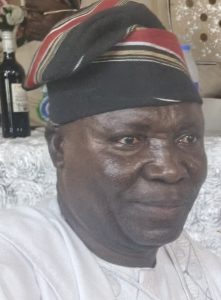
By Ikhili Ebalu, Benin city
The Peoples Action Group of Good Governance (PAGG) has described Governor Monday Okpebholo’s two years in office as disappointing, accusing his administration of failing to address worsening poverty, infrastructural decay, insecurity and declining living standards in Edo State.
The group, in its assessment of the governor’s performance ahead of the second anniversary of his administration on November 12, said the state had witnessed what it described as two years of hardship, unfulfilled promises and poor governance.
In a statement jointly signed by its National Chairman, Dr Samson Isibor, and Secretary, Chukwuemeka Nkama, PAGG argued that the living conditions of residents had deteriorated since Okpebholo assumed office, with poverty and economic hardship becoming increasingly widespread.
The group said the administration had placed more emphasis on rhetoric than tangible achievements, insisting that the governor’s performance fell short of the expectations of Edo people.
On infrastructure, PAGG alleged that roads across the state, including those in Benin City and rural communities, remained in deplorable conditions, exposing residents to accidents, economic losses and other dangers.
It cited the recent tanker accident at Oluku, which it attributed to bad road conditions, as an indication of the consequences of what it described as the administration’s failure to address critical infrastructure challenges.
The group also expressed concern over the state of public education, alleging that several schools lacked adequate facilities, functional classrooms and sufficient teachers, while some pupils and students were forced to sit on bare floors.
It further accused the government of neglecting the agricultural sector, claiming that insecurity and poor road networks had made it difficult for farmers to access their farmlands and transport produce to markets.
PAGG specifically mentioned Sobe Farm, Warrake Farm and Anegbette Farm as agricultural settlements allegedly suffering from government neglect.
On electricity, the group blamed the persistent erratic power supply in the state on the government’s inability to resolve its differences with Ossiomo Power Company, leaving residents and businesses at the mercy of inadequate electricity supply from the Benin Electricity Distribution Company (BEDC).
The organisation also criticised the administration’s housing policy, arguing that the absence of an effective low-cost housing programme had contributed to rising accommodation costs and placed additional pressure on workers and low-income earners.
While acknowledging the recent acquisition of 50 compressed natural gas (CNG) buses by the state government, PAGG described the number as inadequate, arguing that a state of Edo’s size required a more ambitious public transportation programme to make commuting affordable for residents.
The group equally accused the administration of failing to revive moribund industries across the state, stimulate industrial activities and create meaningful employment opportunities.
It raised concerns over alleged illegal collection of levies and multiple ticketing in markets, claiming that traders and small-scale business owners were facing increased financial pressure.
On the state’s finances, PAGG expressed concern over what it described as the growing debt profile of Edo State, alleging that the government had borrowed more than N172 billion without providing sufficient explanation on how the funds had been utilised.
It called for greater transparency and accountability in the management of public resources, particularly in view of the increased federal allocations and internally generated revenue available to the state.
Summarising its assessment, the group rated the Okpebholo administration as a non-performing government, arguing that its performance had not translated into meaningful improvements in the welfare of ordinary residents.
PAGG also dismissed the governor’s reported ambition of delivering 2.5 million votes for President Bola Tinubu in the 2027 general elections, predicting that the target would be difficult to achieve given what it described as widespread public dissatisfaction.
It maintained that Edo voters would be more conscious of their electoral choices in future elections, declaring that the state would not be caught off guard again.
