
 By joshua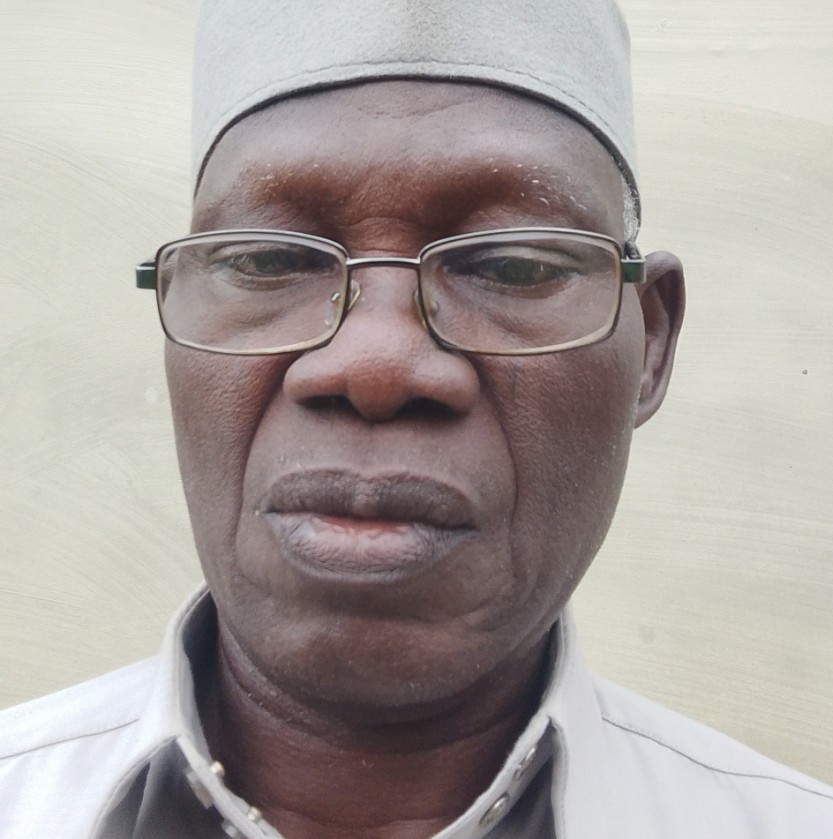
International Day of Peace: GIMP-Nigeria Seeks Stronger Government, Faith and Media Partnership
ABUJA — The Guild of Interfaith Media Practitioners Nigeria (GIMP-Nigeria) has called for a renewed national partnership among government, religious institutions, traditional authorities, the media and civil society to confront the forces that threaten peace and social cohesion in Nigeria.
The Chairman, Governing Board of GIMP-Nigeria, Mr. Abdulkarim Abdulmalik, made the call in a press statement issued in Abuja to commemorate the International Day of Peace, urging Nigerians to move beyond the celebration of peace as an ideal and begin treating it as a practical responsibility shared by every sector of society.
Abdulmalik said the occasion provides an opportunity to reflect on the painful consequences of violent conflict, communal mistrust, religious intolerance, hate speech and misinformation, while renewing the commitment to resolving disagreements through dialogue and peaceful means.
He noted that Nigeria’s diversity should never become a permanent fault line separating citizens.
“Religion, ethnicity and political affiliation must never become reasons for Nigerians to regard one another as enemies. Our diversity should be a bridge to mutual understanding, not a weapon of division,” he stated.
The GIMP-Nigeria chairman drew attention to the common emphasis placed on peace in Islam and Christianity. He cited the Qur’anic principle in Surah Al-Hujurat 49:13, which recognises human diversity as an avenue for mutual knowledge and understanding, alongside the biblical teaching in Matthew 5:9, which honours those who work for peace.
He said these principles demonstrate the potential of religious teachings to serve as instruments of reconciliation when properly communicated and practised.
Abdulmalik therefore urged religious leaders to intensify interfaith dialogue and educate their followers on the importance of respecting people of different faiths.
He equally appealed to government at all levels to strengthen inclusive governance, justice, community engagement and early-warning mechanisms for preventing conflicts before they escalate.
He described the media as a strategic institution in the peace architecture of the country, stressing that journalists should see their profession not only as a means of informing the public but also as an important instrument for reducing tensions and promoting social understanding.
He urged media practitioners to verify information before publication, avoid inflammatory language and give adequate attention to voices calling for dialogue and reconciliation.
“Responsible journalism does not suppress the truth. Rather, it presents the truth responsibly, accurately and in a manner that does not unnecessarily turn citizens against one another,” he said.
According to him, the growing influence of social media makes media responsibility even more important because unverified information can travel across communities within minutes and transform isolated incidents into wider crises.
The GIMP-Nigeria chairman also stressed the importance of addressing poverty, unemployment, marginalisation, injustice and other socioeconomic conditions that can weaken social cohesion and make communities vulnerable to violence.
He called for greater inclusion of young people and women in peacebuilding processes, noting that sustainable peace requires the participation of those who constitute a significant part of Nigeria’s population.
Abdulmalik reaffirmed GIMP-Nigeria’s commitment to promoting interfaith diplomacy, peace journalism, religious literacy and constructive media engagement as instruments for strengthening peaceful coexistence.
He urged Nigerians to mark the International Day of Peace by making practical commitments to peaceful living.
“Peace begins with us. It begins when we refuse to hate because someone worships differently, speaks another language, belongs to another ethnic group or supports a different political party. Nigeria’s peace must become a shared national project,” he said.
He concluded by calling on Nigerians to replace suspicion with dialogue, intolerance with understanding and division with cooperation, stressing that the strength of the nation ultimately depends on its people’s ability to live together despite their differences.