
 By joshua
 Kogi’s Federal Road Renaissance: Umahi’s Inspection Validates Ododo’s Strategic Engagement
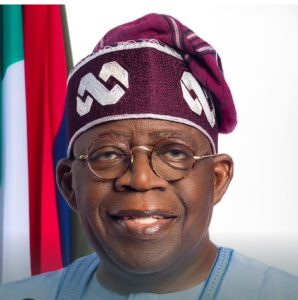
The recent inspection tour of ongoing Federal road projects in Kogi State by the Honourable Minister of Works, His Excellency Senator Engr. David Umahi Nweze, was far more than a routine assessment of construction sites. It was a defining moment that highlighted the deepening collaboration between the Kogi State Government under Governor Ahmed Usman Ododo and the Federal Government led by President Bola Ahmed Tinubu in advancing critical infrastructure development across Nigeria.
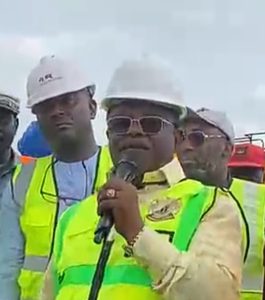
Traversing the Abuja–Lokoja corridor from Chikara through Koton-Karfe, the Edia Bridges, the Murtala Mohammed Bridge at Jamata, Banda, Lokoja and the Obajana/Kabba Junction along the Lokoja–Okene Federal Highway, the Minister’s visit reaffirmed Kogi State’s strategic importance as Nigeria’s gateway linking the North and the South. These roads are not merely transportation corridors; they are economic arteries that sustain trade, agriculture, investment and national integration.
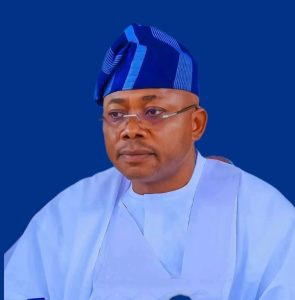
Perhaps the most significant outcome of the visit was the public recognition of Governor Ahmed Usman Ododo’s sustained engagement with the Presidency and the Federal Ministry of Works. The Minister, alongside members of the National Assembly Committees on Works, openly commended the Governor for his unwavering commitment to ensuring that Federal infrastructure projects within Kogi State receive the priority they deserve. Such commendation reflects the Governor’s consistent advocacy, constructive partnership and responsible leadership in pursuing developmental goals for the state.
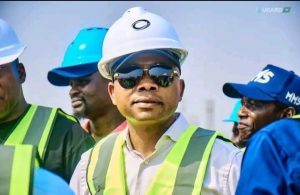
The inspection equally demonstrated the Federal Government’s determination to restore confidence in project delivery. Minister Umahi issued firm directives against unnecessary road closures, unauthorized removal of existing asphalt, poor traffic management and substandard construction practices. Contractors were reminded that Nigerians deserve roads that are safe, durable and completed within agreed timelines, while project supervisors were warned that negligence would attract disciplinary action. Importantly, the Minister directed contractors to prioritize the most deteriorated sections of their projects in order to reduce hardship for commuters, emphasizing that infrastructure development should never compromise public convenience or safety.
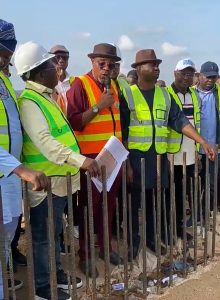
The Minister also acknowledged the efforts of contractors, particularly indigenous firms that continue to deploy their own resources while awaiting government reimbursements. At the same time, he prescribed additional technical enhancements to improve project quality, including reinforced concrete pavement integration, stronger shoulders, landscaping and modern bridge lighting, all aimed at ensuring long-term durability and functionality.
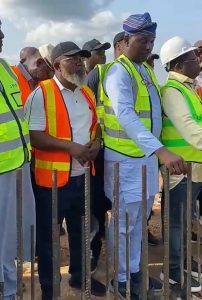
Of particular significance were the directives concerning the Lokoja–Okene Federal Highway. By ordering the immediate deployment of available funds to reconstruct the most failed portions around the Obajana/Kabba Junction before and after the bridge currently under construction, the Minister adopted a practical and people-centred approach designed to provide immediate relief to motorists while additional funding approvals are being processed.
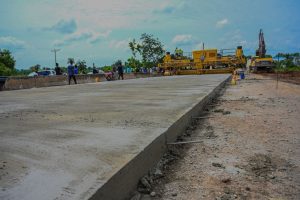
Beyond engineering specifications and construction schedules, the inspection reinforced the principle of accountability in public infrastructure delivery. The emphasis on continuous traffic flow, strict quality assurance and active project monitoring reflects a governance philosophy that places the welfare of citizens at the centre of public works administration.
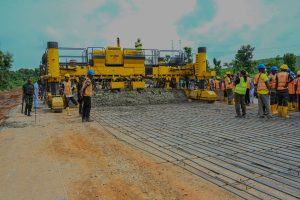
The joint appeals by the Minister and members of the National Assembly Committees on Works to the Nigerian National Petroleum Company Limited, the Federal Ministry of Finance and other relevant funding institutions for the prompt release of project funds underscore the importance of sustained financing in achieving timely completion of these nationally significant projects.
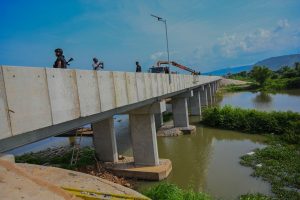
For Kogi State, the Minister’s visit represents an opportunity to reap the dividends of constructive engagement between the State government and Federal authorities under the leadership of Governor Ahmed Usman Ododo. It demonstrates that sustained collaboration with the Presidency and Federal Ministries, Departments and Agencies can accelerate infrastructure delivery and unlock broader economic opportunities for the people.
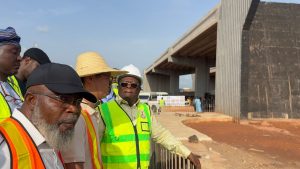
Ultimately, the inspection tour sends a reassuring message to residents of Kogi State and all road users that the Abuja–Lokoja corridor and other Federal highways within the state remain priorities on the national infrastructure agenda of President Bola Ahmed Tinubu. It also validates Governor Ododo’s persistent advocacy and illustrates how effective partnership between state and federal institutions can produce tangible benefits for citizens.
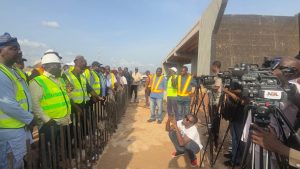
As work continues across these critical corridors, Nigerians will rightly expect not only faster execution but also infrastructure built to enduring standards. If the commitments and directives issued during this inspection by the Hon Minister are faithfully implemented, Kogi State stands poised to witness a transformative improvement in connectivity, economic productivity and road safety as more sections of these strategic highways are completed in the shortest possible time.
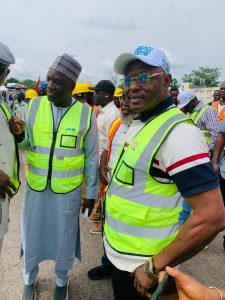
Written by:
Chief Obasi Emmanuel I. Obasi, JP
Special Adviser to the Kogi State Governor on Federal Projects Implementation