
 By joshua
 The Bridge Builder: How Sanni ‘SEA’ Egidi Closes Gap Between Abuja, Ajaokuta.
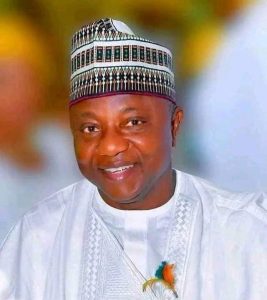
By Abu Micheal.
In a political landscape where first terms are often rehearsal and second terms a battle, Hon. Abdulraheem Sanni Egidi, Member representing Ajaokuta Federal Constituency, has made tradition look irrelevant.
Popularly called SEA, he entered the All Progressives Congress with a reputation already sealed at the grassroots, having built roads, provided water, awarded scholarships, empowered women with start-up capital, supported small businesses, and routinely paid school fees for youths long even before his election to the House of Representative in 2023.
That unsung record became the propelling force behind his first-term victory, and two years + into office, it is why the talk of a second term in Ajaokuta sounds less like ambition and more like consensus.
His open-door policy has collapsed geography; constituents say the distance between Abuja and Lokoja now feels like the stretch from Ganaja to Adankolo because he is home with his people always.
That accessibility is deliberate. He keeps a functional constituency office, holds town halls, and reports back regularly on what he did, why he voted the way he did, and what is coming next. He listens first and carries youth, women, minorities, and rural communities, not just party loyalists, insisting that representation means the people’s voice, not a godfather’s orders.
On the floor of the House, Raheem has displayed legislative competence that colleagues respect. He understands lawmaking, reads bills, debates policy, proposes amendments, and spots bad legislation.
Hon. Raheem from a cursory look at his representation, does not vote on party lines by reflex; he checks data, impact, and unintended consequences, and he knows how to use committee hearings and motions to hold the executive accountable.
His communication cuts through complexity, explaining bills in plain language to market women and professionals alike, and he is adept at persuading colleagues across party lines to support policies that benefit his district. Integrity anchors his style.
He declares assets, explains constituency project spending, and shows up for votes. What he says in Lokoja matches what he says on the floor — no double-talk. That consistency, supporters argue, is why attempts to smear his image by those threatened by his rising profile have failed to stick to a record they describe as unblemished.
He stands by whatever he does with unwavering resolve, especially when it means putting smiles on the faces of constituents and anyone who crosses his path. His constituency development focus starts with human capital. He prioritizes education, health, skills, and jobs over one-off handouts. He has built CBT centres equipped with computers to aid digital learning, and through project tracking he ensures constituency projects captured in the budget are actually executed and functional.
He uses his office to attract MDAs, NGOs, and private investment to Ajaokuta, a factor that has seen infrastructure skewed more in favor of the federal constituency in the last few years. Under the President Bola Tinubu and Governor Usman Ododo administrations, Ajaokuta has witnessed the deployment of laudable federal programs and infrastructure that constituents credit to his closeness to the powers that be in Kogi, a closeness that unsettles elites but excites the streets.
The man’s temperament shows in crisis. During floods, insecurity, or communal clashes, he becomes a voice and coordinator, not missing. He works as a team player with the LGA chair, other Assembly members, and senators for bigger projects, yet has the courage to stand up to the executive when laws are broken or people are suffering, even when it is unpopular.
Humility defines his office. Raheem says always that power is loaned by the people, which is why he works round the clock, insisting he is a servant, not a ruler. With strategic thinking, he masters House procedures to get motions heard and bills passed, and he thinks beyond four years, pushing laws that will outlive his tenure because, as he frames it, another term will be for consolidation.
Ajaokuta has a tradition of returning its lawmakers, but in Raheem’s case the argument goes beyond tradition. Despite going through the full stretch of electoral litigation after his victory, the courts at all levels validated the voice of his constituents. After two years in, he has done what past representations could not achieve, turning federal presence into visible projects and federal attention into tangible relief.
The belief the people of Ajaokuta Federal Constituency have in him remains unprecedented, with a staunch promise to deliver him a second term as the beauty of democracy when people appreciate servant representation.
Those he serves are not moved by the fear of elites afraid of his closeness to Governor Ododo. For them, Raheem has proven the definition of a good lawmaker: he passes good laws, stops bad ones, brings real dividends to the constituency, and leaves the institution stronger than he met it.
In SEA, Ajaokuta found a rare legislator whose greatest title is not on his office door but in the roads, classrooms, scholarships, start-ups, and access he built — before and after election.
Analysts have therefore concluded that by every indices, all options considered, he looks good for the APC Ticket, will again trounce his political enemies, particularly that constituents have come to accept him as what the Ajaokuta Federal Constituency needs beyond 2027.