
 By joshua
 Justice Liman Calls for Inclusive Politics, Rejects Ethnic Gatekeeping in Nasarawa North
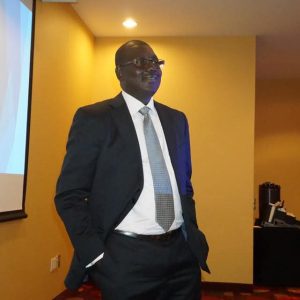
A retired Justice of the Court of Appeal, Justice A. M. Liman, has issued a rebuttal to an article by Dr. Frank Peter Ombugadu, accusing him of misrepresenting arguments around indigeneity and promoting exclusionary narratives in Nigeria’s Middle Belt.
In a rejoinder titled “Indigeneity Deserves Respect, But Not at the Altar of Exclusion”, Justice Liman argued that calls for fairness and constitutional rights in Nasarawa North had been wrongly framed as attempts to erase indigenous identity.
He rejected suggestions that questioning the indigene, settler divide equates to cultural erasure or forced assimilation, insisting that his earlier position did not deny the heritage or historical roots of ethnic groups such as the Eggon, Mada and others in the region.
Instead, he said, the concern was the “weaponisation” of identity to exclude Nigerians who, despite being born, raised and integrated into local communities, are labelled as outsiders based on ancestry or surname.
“No one is denying cultural heritage,” he wrote. “What is rejected is the branding of long-settled citizens as ‘invaders’ or ‘settlers’ unfit to represent their own communities.”
Justice Liman also challenged assertions that certain ethnic groups in the area hold exclusive ancestral claims predating the 19th-century Fulani Jihad of 1804 led by Usman dan Fodio.
He argued that oral histories and scholarly accounts point to migration patterns across central Nigeria, suggesting that no single group can claim absolute “first-comer” status.
“The land has always been a crossroads,” he said, warning against what he described as “political mythology designed to exclude”.
Central to his argument is the claim that the indigene–settler distinction undermines constitutional guarantees, particularly those relating to freedom of movement and protection from discrimination.
Justice Liman said that, in practice, the divide has turned many Nigerians into “perpetual outsiders” despite decades of residence and contribution to their communities.
He called for a shift towards inclusive politics based on merit and broad representation, rather than ethnicity or religion.
Referencing leadership in Nasarawa State, he noted that Governor Abdullahi Sule hails from the Nasarawa North area, arguing that debates about representation should focus on competence rather than identity.
While acknowledging the importance of cultural pride, the retired judge warned against using indigeneity as a tool for exclusion.
He urged stakeholders to engage in “mature conversation” that balances respect for heritage with equal rights for all citizens.
“We can disagree without being disagreeable,” he wrote. “But we cannot build a just society on selective history and second-class citizenship.”