
 By joshua
 LET US NEVER FORGET: WHEN ALL SEEMED LOST, NIGERIA FOUND NEW HOPE IN 2023
By Musa Bakare
History has a remarkable way of producing unexpected answers when people need them most.
Before 2023, hope appeared distant, uncertainty dominated the Nigerian public space, and the future seemed frighteningly unclear.
The country was confronted with enormous economic and social challenges, while public confidence in the future was under considerable strain.
A powerful scene recently emerged from the devastating floods in Nepal. As raging waters swept through communities and carried away everything in their path, an elephant reportedly moved through the floodwaters and debris to help two children reach safety.
It was a striking reminder that even in the midst of disaster, hope can come from the most unexpected direction.
Nigeria, too, had its own defining moment in 2023.
The country was facing severe economic pressures. Government finances were under strain, fuel subsidy costs had become increasingly unsustainable, the naira was distorted by multiple exchange-rate arrangements, infrastructure deficits persisted, insecurity remained a major concern, and Nigerians were increasingly anxious about the direction of the nation.
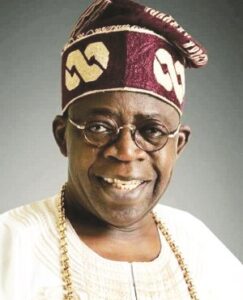
It was against this difficult background that Nigerians elected Asiwaju Bola Ahmed Tinubu President and Commander-in-Chief of the Armed Forces of the Federal Republic of Nigeria in 2023.
His emergence marked the beginning of a new chapter, one that has demanded difficult decisions, political courage, sacrifice and patience.
The removal of fuel subsidy, exchange rate reforms, fiscal adjustments and other economic measures were never going to be painless. They were bound to generate anger, hardship and political opposition.
But responsible leadership is not always about choosing what is immediately popular. Sometimes, it means confronting difficult problems that previous administrations postponed and taking decisions necessary to secure the future.
President Tinubu inherited problems that had accumulated over many years. His administration should therefore be judged not simply by the difficulties Nigerians experienced during the transition, but also by whether the reforms are laying a stronger foundation for sustainable economic growth, investment, development and national prosperity.
That is the real question before Nigerians in 2027.
Should Nigeria abandon difficult but necessary reforms because they are uncomfortable, or should the country allow the current administration more time to consolidate the changes and deliver their long-term benefits?
The opposition will naturally criticize the government. That is an essential part of democracy. But Nigerians must distinguish between legitimate criticism and political rhetoric aimed primarily at regaining power.
The 2027 election should therefore be a referendum on competence, courage, continuity and results.
President Tinubu should be given the opportunity to consolidate the work his administration has started—not because he is beyond criticism, but because national transformation requires consistency, stability and time.
A country cannot rebuild its economic foundation every four years and expect lasting prosperity.
Sustainable development requires policies to be given sufficient time to mature, institutions to strengthen, investments to take root and reforms to produce measurable results.
The elephant that reportedly rescued those children in the midst of the Nepal floods did not wait for the waters to become calm before extending help. It moved into danger and brought hope where hope seemed almost impossible.
Nigeria, in 2023, also needed leadership willing to step into the storm.
President Bola Ahmed Tinubu accepted that responsibility. He stepped into the storm and began confronting some of the country’s most difficult structural problems.
The road has been difficult, and Nigerians have every right to demand better results, greater accountability and improved living conditions. But the destination must remain clear: a stronger economy, greater prosperity, improved security, expanded opportunities and a Nigeria capable of taking its rightful place among the world’s leading nations.
As 2027 approaches, Nigerians must ask themselves one simple question:
If the journey has been difficult, is the answer to abandon the journey or to strengthen the hands of the person who had the courage to begin it?
For those of us who believe in continuity, the answer is clear.
Nigeria must not return to the past. The Renewed Hope journey must continue.
Musa Asiru Bakare, Political Analyst, writes from Lokoja, Kogi State.
August 31, 2026