
 By joshua
 CAIS Trains Over 600 Residents, Launches Eco-Paper from Plantain Waste in Ondo
By Precious Adeyemi
An environmental advocacy group, Climate Actors for Innovations and Sustainability (CAIS), says more than 600 residents have benefited from its waste-to-wealth and upcycling skills training under the PURE-WISE project in Ondo, a programme aimed at reducing plastic pollution through sustainable alternatives.
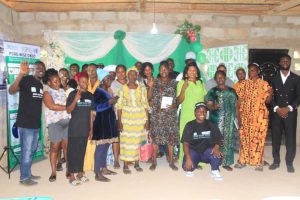
This was disclosed at the Lessons Learnt and Knowledge Management Workshop for the PURE-WISE project themed “Showcasing Project Impact and the Launch of Eco-Paper,” sponsored by the United Nations Development Programme Global Environment Facility Small Grants Programme (UNDP GEF-SGP).
The project, Plantain Residue as an Eco-Friendly Alternative for Single-Use Plastic Packaging in Ondo Town (PURE-WISE), implemented by CAIS with funding support from UNDP GEF-SGP, converts discarded plantain pseudostems into biodegradable paper products while promoting sustainable livelihoods and environmental stewardship.
Speaking at the workshop, the Team Coordinator of CAIS, Akintunde Akinmolayan, said the initiative had demonstrated that waste could be transformed into wealth through innovation, community action and strategic partnerships. According to him, the project has created a replicable model for sustainable waste management and green livelihoods.
He said residents now understand the importance of proper waste management and converting waste materials into useful products, noting that the practice promotes environmental sustainability at the local level while contributing to national and global environmental goals. He added that the project recorded over 620 direct beneficiaries, reached about 90,000 people through radio sensitisation, established eight environmental school clubs and directly engaged more than 1,200 students.
Also speaking, the Project Manager of CAIS, Alex Ogundipe, explained that the initiative began with stakeholder engagement and awareness campaigns on sustainable waste disposal and alternatives to single-use plastics before moving to training residents and students on recycling and upcycling techniques.
Ogundipe said the project also advocated improved waste management policies and established a regenerative demonstration centre where plantain pseudostems were converted into biodegradable paper and other eco-friendly products. He stressed that replacing single-use plastics with sustainable alternatives is both achievable and necessary.
He called for stronger support from government and communities to amplify awareness of the dangers of single-use plastics and encourage the adoption of degradable alternatives. “We now have more than 600 trained individuals in waste-to-wealth knowledge and upcycling skills who are certified, and we appreciate every one of our participants,” he said, urging beneficiaries to use the acquired skills to create sustainable means of livelihood.
In her goodwill message, the National Coordinator of UNDP GEF-SGP Nigeria, Mrs. Ibironke Olubamise, represented by Paul Eweola, commended CAIS for successfully implementing the initiative and acknowledged the contributions of government institutions, schools, community leaders, technical partners and beneficiaries.
Olubamise said the workshop provided an opportunity to review achievements, document lessons learnt and explore how the project’s innovations could be sustained, replicated and scaled. She noted that the PURE-WISE project had shown that agricultural residues commonly regarded as waste could become valuable resources, adding that converting plantain pseudostems into biodegradable paper products offers a practical example of the circular economy in action while addressing both plastic pollution and the underutilisation of agricultural waste.