
 By joshua
 Kogi AGILE Strengthens Alternative Education Through Life Skills Training for Facilitators Across 65 Mass Literacy Centers
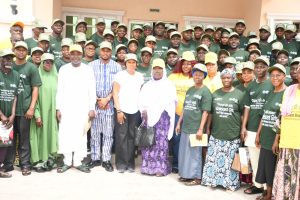
Partners PIBCID to equip facilitators with practical skills for empowering vulnerable adolescent girls across Kogi State
By Bishop Aturu.
The Kogi State Adolescent Girls Initiative for Learning and Empowerment (AGILE) Project has reaffirmed its commitment to improving learning opportunities and life outcomes for out-of-school adolescent girls through the successful conduct of a three-day Life Skills Training for Facilitators across the 65 Mass Literacy Education Centers in Kogi State.
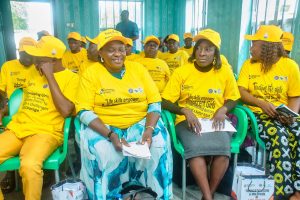
The capacity-building programme, implemented under the Alternative Education component of the AGILE Project in partnership with the Participation Initiative for Behavioural Change in Development (PIBCID), was held across the three Senatorial Districts of the state in Okene and Anyigba, bringing together facilitators drawn from the 65 Mass Literacy Education Centers established across the twenty-one Local Government Areas.
The training forms part of the AGILE Project’s broader objective of expanding access to quality learning opportunities for adolescent girls who are out of school while equipping them with practical life skills that enhance their confidence, resilience, personal development and economic empowerment.
The programme specifically targets adolescent girls between the ages of 13 and 24 years, out-of-school girls, vulnerable girls, girls living with disabilities, and rural and urban adolescent girls across Kogi State, with the ultimate goal of helping them overcome social, economic and cultural barriers that hinder their education and personal development.
Speaking during the opening ceremony, the State Project Coordinator of the Kogi AGILE Project, Alhaji Ahmed Tijani Oricha, FCNA, described the training as a strategic investment in human capital development, noting that education goes beyond literacy and numeracy to include the acquisition of life skills that enable young people to make informed decisions and become productive members of society.
According to him, while the AGILE Project continues to improve school infrastructure and expand access to formal education, the Alternative Education component remains critical in reaching thousands of adolescent girls who are unable to participate in conventional school settings.
He explained that the establishment of the 65 Mass Literacy Education Centres demonstrates the commitment of the Kogi State Government, with the support of the World Bank, to ensuring that no girl is left behind irrespective of her social, economic or geographical circumstances.
“The success of this intervention depends largely on the quality of our facilitators. They are not merely instructors; they are mentors, role models and agents of transformation who will help these young girls rebuild their confidence, acquire practical life skills and make positive life choices. The knowledge you acquire here will directly influence the lives of thousands of girls across our communities,” the State Project Coordinator stated.
Alhaji Oricha further urged participants to approach the training with dedication and a strong sense of responsibility, emphasizing that the impact of the AGILE Project would ultimately be measured not only by the number of centres established but by the number of lives transformed through quality facilitation and sustained community engagement.
He commended the Alternative Education team and the project’s development partner, PIBCID, for designing a practical and learner-centred curriculum capable of addressing the unique realities confronting vulnerable adolescent girls in Kogi State.
Delivering the technical overview of the programme, the Sub-component Lead for Alternative Education, Hajia Mariam Bello, said the training was carefully designed to strengthen the capacity of facilitators to deliver structured life skills education that complements literacy learning and prepares adolescent girls for responsible adulthood.
She explained that many out-of-school girls face multiple vulnerabilities ranging from poverty, early marriage and gender-based violence to poor health awareness, low self-esteem and limited economic opportunities. According to her, addressing these challenges requires facilitators who possess not only technical knowledge but also empathy, counselling skills and the ability to inspire positive behavioural change.
Hajia Bello noted that the curriculum covered a wide range of thematic areas including self-confidence, effective communication, decision-making, financial literacy, personal hygiene, health, nutrition and well-being, menstrual hygiene management, reproductive health, prevention and response to Gender-Based Violence (GBV), counselling and psychosocial support, active listening, conflict resolution and emotional support for adolescent girls.
She added that the training would enable facilitators to create safe and inclusive learning environments where girls could freely express themselves, build meaningful relationships and develop the confidence needed to pursue education, vocational skills and other life opportunities.
The Executive Director of the Participation Initiative for Behavioural Change in Development (PIBCID) and lead facilitator, Mrs. Racheal Akande, described life skills education as one of the most powerful tools for breaking the cycle of poverty, exclusion and vulnerability among adolescent girls.
She explained that while literacy equips learners with the ability to read and write, life skills empower them to make sound decisions, resist harmful social pressures, communicate effectively, manage emotions, protect themselves against abuse and contribute meaningfully to their communities.
Mrs. Akande encouraged the facilitators to adopt participatory teaching methods that promote interaction, practical demonstrations and peer learning rather than relying solely on traditional classroom approaches.
“Many of the girls you will engage have experienced difficult life situations. Some have dropped out of school because of poverty, early marriage, family responsibilities or other social challenges. As facilitators, your responsibility extends beyond teaching, you must listen without judgement, build trust, encourage resilience and help them rediscover their potential,” she said.
She further emphasized the importance of safeguarding and confidentiality when handling sensitive issues such as reproductive health, gender-based violence and psychosocial support, urging facilitators to always uphold the dignity, privacy and rights of every learner.
Participants from the three Senatorial Districts expressed appreciation to the Kogi AGILE Project for the opportunity to strengthen their capacity and pledged to apply the knowledge gained in improving learning outcomes within their respective centres.
Facilitators across the 3 Senatorial District described the training as practical, interactive and highly relevant to the realities facing adolescent girls in rural communities. According to the participant, the sessions on counselling, emotional support and active listening have provided new approaches to engaging learners who struggle with confidence and social challenges.
While commending the AGILE Project for recognizing that education extends beyond classroom instruction, the participants noted that many girls require mentorship, emotional support and practical life skills before they can successfully return to education or transition into sustainable livelihoods.
According to the participants, the emphasis placed on menstrual hygiene management, reproductive health and gender-based violence was particularly timely, as these issues continue to affect the participation and retention of adolescent girls in learning programmes across many communities.
They further pledged to step down the knowledge gained to fellow facilitators within the district while ensuring that every adolescent girl enrolled in the literacy centres receives not only literacy instruction but also the life skills needed to become confident, healthy and productive members of society.
The training concluded with renewed commitments from the facilitators to champion positive behavioural change, promote safe and inclusive learning environments and contribute to the AGILE Project’s vision of expanding educational opportunities for every adolescent girl in Kogi State.