
 By joshua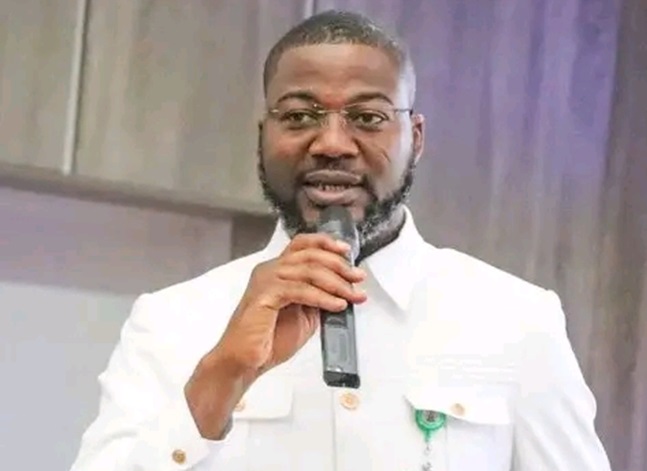
Omala Lawmaker’s Triple Bills Win Stakeholders’ Praise As Kogi Eyes Bigger Gains In Health, Local Economy And Cleaner Cities
Kogi lawmakers and Civil Society Groups are hailing Hon. Umar Yahaya of Omala Constituency after he sponsored three far-reaching bills now before the Kogi State House of Assembly.
The proposals target maternal and child health, indigenous business growth, and environmental cleanliness, and stakeholders say they could reshape daily life for residents if passed into law.
The applause came during public hearings organised by the Assembly on the legislations. Participants described the bills as timely, people-focused and capable of tackling some of the state’s most pressing challenges.
At the centre of the package is a bill for free maternal and neonatal care in state-owned facilities. Yahaya told the hearing that the law would create a legal basis for pregnant women, nursing mothers and newborns to access treatment without cost barriers. He said the goal is to ease access to quality care, cut maternal and infant deaths, improve health financing, and lift the welfare of women and children. He also stressed collaboration with local councils, development partners, health professionals and civil society to deliver better outcomes.
The second bill seeks to deepen Kogi’s local content drive in engineering, construction, mining and general supply of goods and services. Yahaya explained that the proposal would set up a Kogi State Local Content Development and Monitoring Board to give priority to indigenous companies, professionals, artisans and skilled workers in government-linked economic activities. The aim, he said, is to expand local participation, encourage technology transfer, build capacity, create jobs, stimulate entrepreneurship and support sustainable growth.
The third bill focuses on the environment. It targets indiscriminate waste disposal, public littering and defacement of private and public spaces through tougher regulations and enforcement. Yahaya noted that the law would promote proper waste management, recycling, sanitation and public awareness, while assigning clear responsibilities to individuals, businesses, property owners and local councils. It also provides for penalties, sensitisation programmes and complementary roles for local governments to protect public health.
Yahaya described the three proposals as development-driven and urged stakeholders to enrich them with practical input before passage. He said the public hearing was an opportunity to refine the bills so they deliver real benefits for Kogites.
Stakeholders at the hearings endorsed the package without reservation. Health officials led by the Commissioner for Health Dr. Abdulazeez Adams Adeiza, Primary Healthcare Executive Secretary Muazu Omeiza Musa, and KSHIA boss Dr. Adekunle Aledare, said the maternal and neonatal bill would lift financial pressure on expectant mothers and low-income families while improving health outcomes. They called it a life-saving step toward universal health coverage and one of the most impactful health initiatives before the Assembly.
Business leaders also rallied behind the local content bill. The Kogi State Chamber of Commerce, Industry, Mines and Agriculture, under Dr. Demiloye Akerejola, said the proposal would strengthen indigenous firms, keep wealth in the state, and expand youth employment. He added that it would boost local competitiveness and support skills transfer for Kogi residents.
Environmental officials welcomed the cleanliness bill. Commissioner for Water Resources Engr. Yahaya Mohammed Danladi Farouk and Commissioner for Environment Engr. Joseph Oluwasegun Stephen said effective implementation would reduce pollution, instil civic responsibility and improve sanitation across Kogi. They noted that it would complement ongoing government efforts to make the state cleaner and healthier.
Civil society, professional bodies and community groups also backed the bills, calling them comprehensive interventions across health, economic development and environmental management.
The hearings are part of the legislative process ahead of consideration and passage. Participants expressed confidence that once enacted and well implemented, the laws would strengthen governance, improve services and accelerate Kogi’s development.
With these three bills, Hon. Yahaya has set a clear marker for people-oriented lawmaking, and stakeholders say Kogi stands to gain significantly if the momentum is sustained.