
 By joshua
 World Environment Day 2026: Kogi Sounds Alarm on Flooding, Erosion, Deforestation
By Abu Micheal
… For Climate. For Our Future: Kogi’s Plea for Environmental Action Grows Louder
As Nigerians join the rest of the world, June 5, 2026, to mark World Environment Day, the people of Kogi State are not left out.
This year’s global theme, “Inspired by Nature. For Climate. For Our Future”, is a direct call to action that resonates deeply in Kogi, a state battling some of Nigeria’s most pressing environmental challenges.
Kogi sits at the confluence of Rivers Niger and Benue, and every rainy season the state contends with devastating floods that displace thousands, destroy farmlands, and cut off communities in Lokoja, Idah, Ibaji and Bassa.
The cycle of loss in lives, crops and infrastructure repeats yearly, yet the scale of the problem demands more urgent and sustained attention.
Beyond flooding, gully erosion is actively swallowing homes, roads and farmlands in Ankpa, Okene, Kabba and Dekina. Without immediate intervention, entire settlements risk being wiped off the map. Erosion control in Kogi is no longer just about development; it is about survival.
Deforestation is another silent crisis. Unregulated logging for charcoal and timber is stripping Kogi of its forest cover, worsening soil erosion, reducing rainfall and threatening biodiversity.
Trees remain the state’s first line of defense against climate shocks, and their unchecked felling weakens the environment’s ability to recover.
Other harmful practices like open waste dumping, poor drainage, sand mining and bush burning further compound the problem, increasing Kogi’s vulnerability at a time when the earth is already sending warning signals. In this context, the call for “all hands on deck” cannot be overemphasized. Citizens, communities, traditional institutions, the private sector and government must work together. Protecting wetlands, restoring forests and adopting sustainable land use are not optional extras — they are nature-based solutions that will determine Kogi’s resilience in the climate era.
The Federal Government has continued to show commitment through several initiatives. The Great Green Wall programme is targeting 25 million hectares of degraded land across Nigeria by 2030, with afforestation and soil conservation efforts extending to north-central states including Kogi.
Nigeria’s National Climate Change Policy and its commitments under the Paris Agreement also push states to integrate climate adaptation into planning.
Through the Nigeria Erosion and Watershed Management Project, NEWMAP, supported by the World Bank, several erosion sites in Kogi have received gully reclamation and watershed management interventions. The federal push for renewable energy and solar expansion also helps reduce dependence on firewood and charcoal, easing pressure on Kogi’s forests.
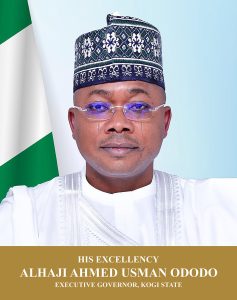
At the state level, the Kogi State Government has stepped up action. The Environmental Sanitation Taskforce has intensified enforcement on waste disposal, drainage clearing and illegal tree felling. Annual tree planting campaigns by the Ministry of Environment align with global #NowForClimate efforts. The state, in partnership with NEWMAP, is funding and implementing erosion control projects in Okene, Ankpa and Kabba to stabilize gullies and protect communities. In collaboration with NIMET and NEMA, Kogi also issues flood early warnings and sensitization for riverine communities ahead of peak season. Advocacy campaigns continue to urge residents to stop bush burning, protect waterways and adopt eco-friendly habits consistent with sustainable living.
World Environment Day is more than a date on the calendar. For Kogi, it is a reminder that climate change is not a distant threat — it is already reshaping lives, livelihoods and landscapes. As global attention turns to Baku, Azerbaijan, host of the 2026 celebrations, Kogi’s story must be heard.
Protecting Kogi’s environment is protecting food security, homes and the future of millions. The message from the people is simple: less talk, more action. Because when nature suffers, the people suffer.
Abu Micheal, Journalist, Publisher, ANIPR, MNIM, Editorial Board Member, Guild of Interfaith Media Practitioners Nigeria, MCIA.